
Do you have a question? We are here for you!
NL

Why Bale Quality Is Important in the Recycling Chain

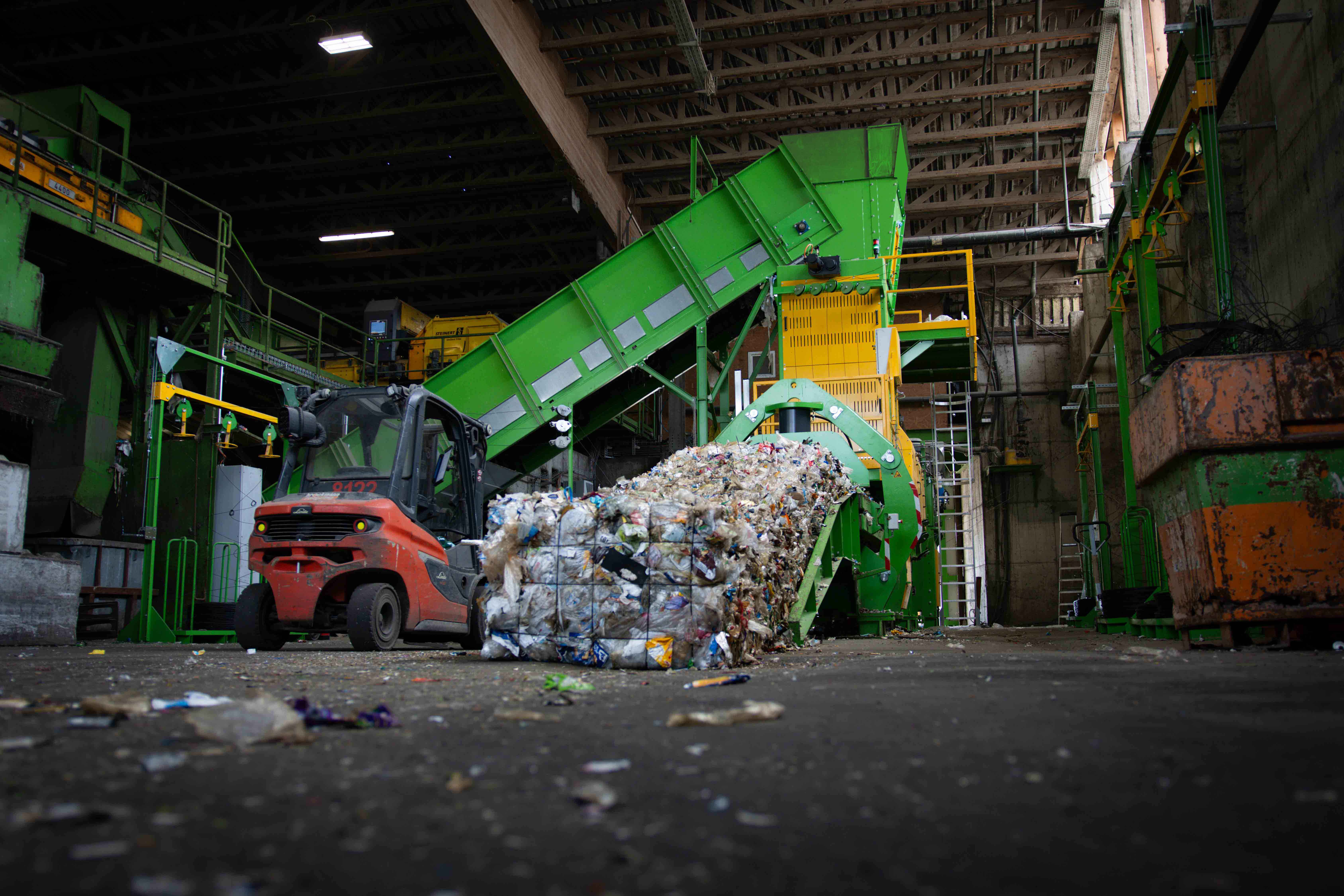
When choosing a baler, people often look first at capacity and baling force. But for an efficient recycling process, the end result is also important: the bale itself.

A compact, stable, and easy-to-handle bale makes a difference in the steps that follow baling—such as internal transport, storage, loading, transportation, and further material processing.

Bale quality is therefore not just an isolated technical detail. It is an integral part of the performance of the entire recycling line.

Check out our solutions

What do we mean by a good bale?

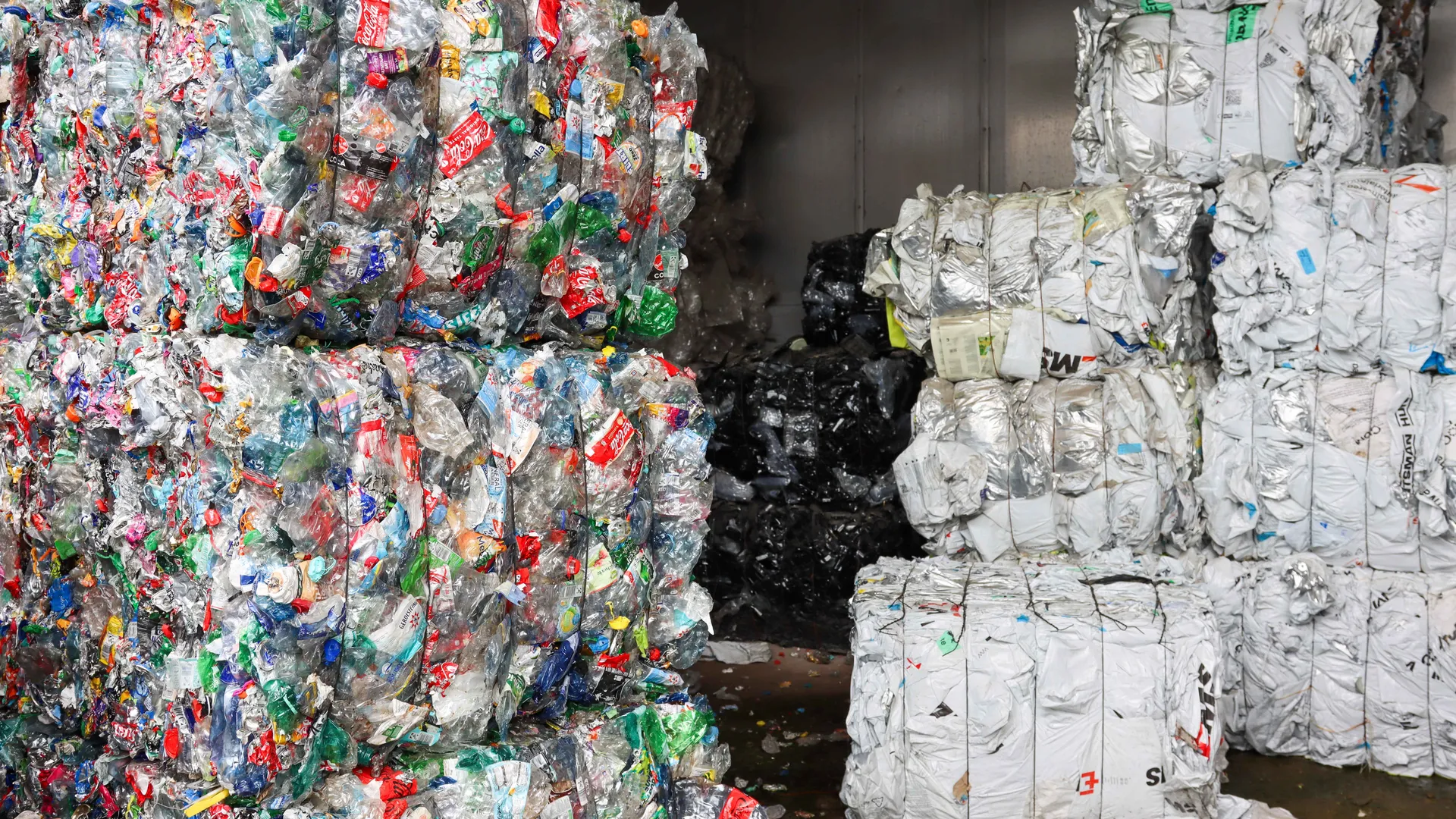
What constitutes a good bale depends on the material and the subsequent process. Paper and cardboard have different properties than, for example, plastic film or PET bottles.

In general, a bale must be easy to handle, sufficiently compact, and stable for the subsequent steps in the process.

To achieve this, a baler must compact and tie the material in a controlled manner. A consistent material feed also plays a role in this.

A baler that is not well-suited to the waste stream can lead to a less-than-optimal end result. That is why proper bale formation begins even before the material actually enters the baling chamber.
alt

From Material Feed to Bale Formation

The quality of a bale is influenced by several steps in the recycling process.

It starts with the material flow. Does it arrive evenly or with significant variations? Is the material homogeneous, or does it consist of different shapes and densities? Is pre-processing required before the material can be compressed?

Next, the characteristics and settings of the baler play a role.

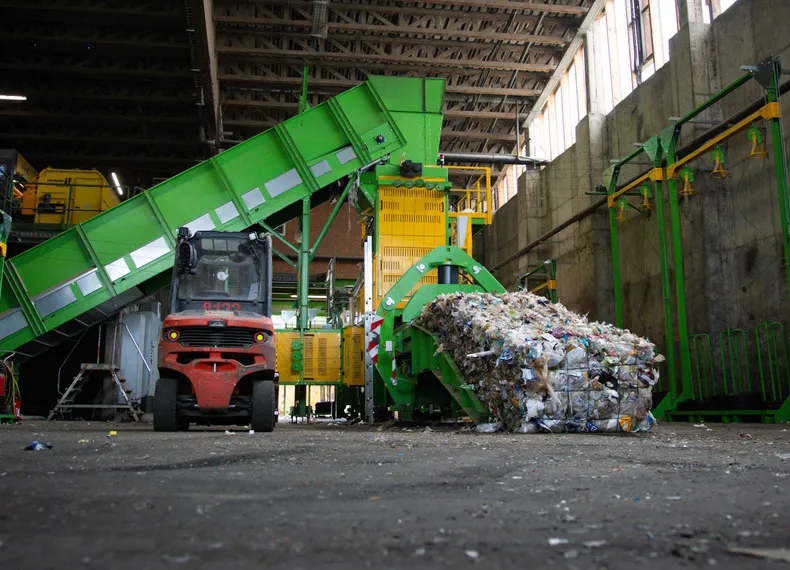
BOA Recycling offers various types of horizontal balers for a wide range of applications. Which machine is suitable depends on factors such as material type, quantity, and desired further processing.

That is why it is important not to view a baler as a standalone machine, but as part of a complete material flow.

Check out our recycling machines

What are the benefits of a stable bale?

A well-formed bale can offer several practical advantages in day-to-day operations.

  • More efficient use of storage space
    Compacting material allows for better use of available space.

  • Easier internal transport
    A stable bale is easier to move than large quantities of loose material.

  • Better stackability
    Uniform, stable bales make organized storage easier.

  • More efficient preparation for transport
    Compacted material is easier to load and transport to the next processor.

For organizations that process large volumes of recyclables on a daily basis, these practical factors can have a significant impact on the efficiency of the entire process.

The Right Baler for the Right Material Stream

Not every waste stream can be processed in the same way. This is an important consideration when selecting a baler.

With paper and cardboard, for example, a distinction can be made between clean production waste, mixed streams, and larger items such as paper rolls.

For plastics, the spectrum ranges from lightweight films to bottles, trays, crates, and production waste.

BOA therefore considers the properties of the material and the desired processing method. Based on this, different machines or additional components can be combined.

The steps preceding the baler can also be relevant. Sometimes, material must first be cut, reduced in size, or fed in a controlled manner to ensure an efficient baling process.

Explore solutions for plastic waste
alt

Bale quality starts with the entire process

Anyone who focuses solely on baling force misses an important aspect of recycling. A reliable recycling line is created when material feed, any pre-processing, the baler, bale formation, and discharge are all seamlessly integrated. <br> That’s why choosing a baler starts with questions such as: what material are we processing, how much material is coming in, how is it fed into the machine, and what needs to be done with the bale after it leaves the machine? BOA Recycling develops solutions based on that entire process. Would you like to know which configuration is suitable for your material flow and desired bale quality?