
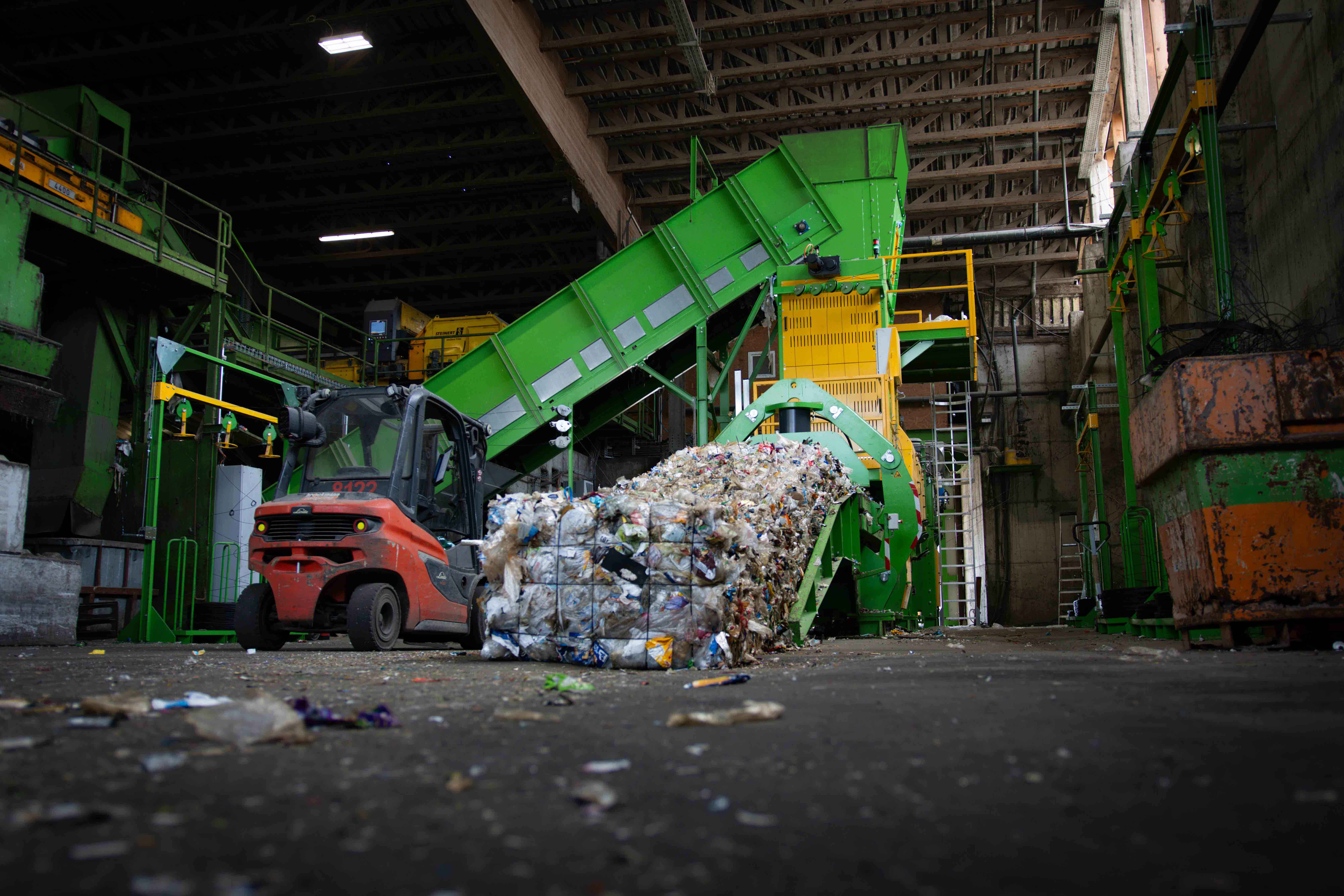
Conveyor Belts: Robust Conveying for Any Material Flow
BOA develops and supplies robust conveyor belts for recycling and waste processing facilities. From light materials to heavy bulk materials and entire bales: every conveying solution is tailored to your application and process.
- Rubber, chain, and steel-plate conveyor belts
- Suitable for light to heavy material flows
- Tailored to your application and process
Which conveyor belt is right for your process?
Are you looking to purchase a conveyor belt for your recycling or waste processing facility? The best model for your needs depends on the material you’re conveying and the load the belt must carry. BOA offers three types of conveyor belts, each designed for a specific type of material flow.
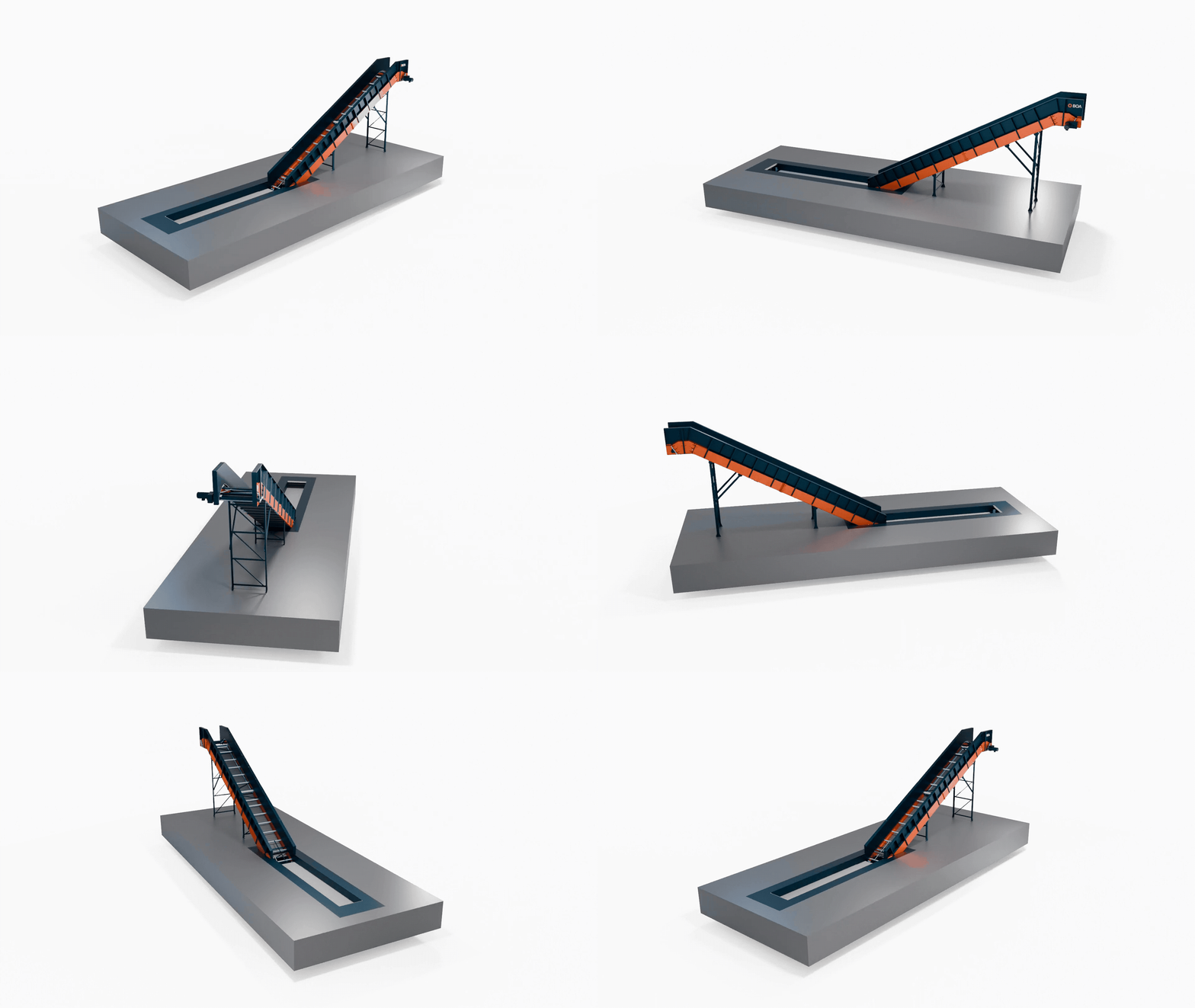
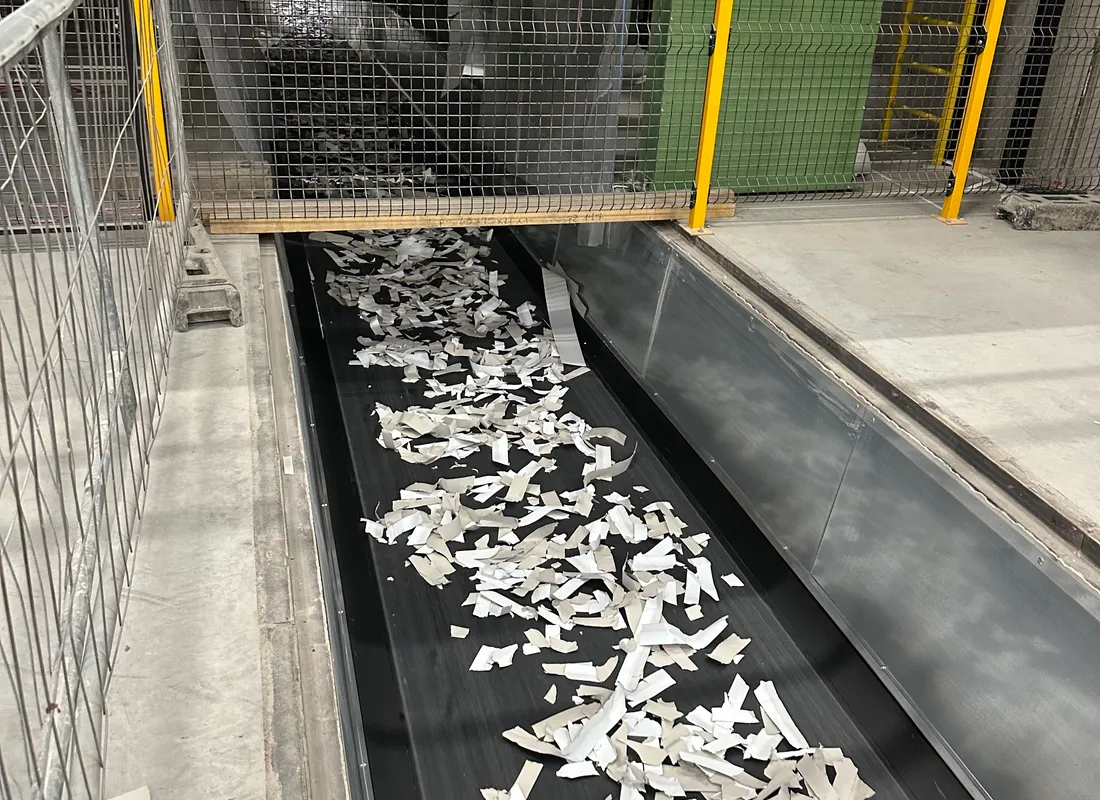
Rubber Conveyor Belts | RB
Conveying, sorting, and metering light material flows
Rubber conveyor belts are suitable for light material flows. They are highly versatile within your facility, as they can be configured as conveyor belts, sorting belts, or hopper belts.
Ideal if you’re looking for:
Transport of light material flows
A belt for sorting or metering material
Configuration as a conveyor, sorting, or hopper belt
Chain Conveyors | KTH
Rugged Conveying of Heavy and Bulky Materials
Chain conveyors are designed for heavy and bulky material flows. Thanks to their modular construction, these conveyors can be used flexibly in various recycling facilities.
Ideal if you’re looking for:
Conveying heavy and bulky materials
A modular design
Flexible use within your recycling facility
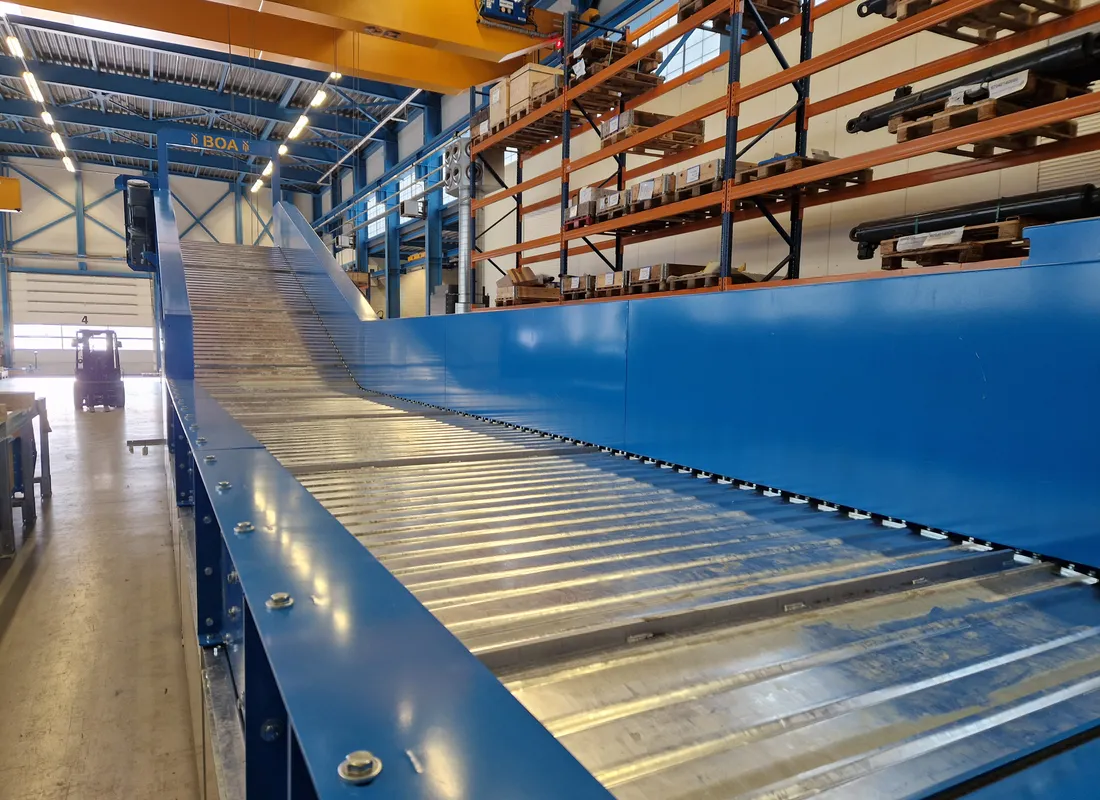
Steel Plate Conveyor Belt | PBM
Designed for Heavy-Duty Applications
Steel plate conveyors are suitable for heavy-duty applications, such as transporting bales, paper rolls, and bulk materials. The robust construction is designed for heavy-duty use.
Ideal when you’re looking for:
Transport of bales and paper rolls
Handling of heavy bulk materials
A robust construction for heavy-duty use
Which conveyor belt should you choose?
The choice depends mainly on the weight and volume of your material. For light material flows that need to be transported, sorted, or metered, a rubber conveyor belt is the logical choice. If you work with heavy or bulky materials, a chain conveyor offers a flexible, modular solution. If you’re transporting bales, paper rolls, or bulk materials, a steel-plate conveyor belt is designed to handle those heavy loads. Here’s how to choose the right conveyor belt for your process.
Frequently Asked Questions About Our Conveyor Belts
Which conveyor belt do I need?
That depends on your material and application. Rubber conveyor belts are suitable for light material flows, chain conveyor belts for heavy and bulky materials, and steel plate conveyor belts for heavy-duty applications such as bales, paper rolls, and bulk materials.
Can a conveyor belt also be used for sorting or metering?
Yes. Rubber conveyor belts can be configured as transport, sorting, or hopper belts, making them suitable for transporting, sorting, and metering light material flows.
Which conveyor belt is suitable for bales?
For transporting bales, paper rolls, and bulk materials, the steel-plate conveyor belt is the ideal choice. Its robust construction is designed for heavy loads.
What is the advantage of modular conveyor belts?
Thanks to their modular design, chain conveyor belts can be used flexibly in various recycling facilities.
Are the conveyor belts tailored to my facility?
Yes. Every BOA conveyor solution is tailored to the specific application and process in which the belt is used.
Related solutions
The Right Conveyor Belt for Your Recycling Process
Are you looking to purchase a conveyor belt? Every situation is different. That’s why finding the right solution starts with a clear understanding of your process, capacity, and future plans. Contact us to discuss your needs and discover which of our conveyor belts best suits your material handling requirements.