
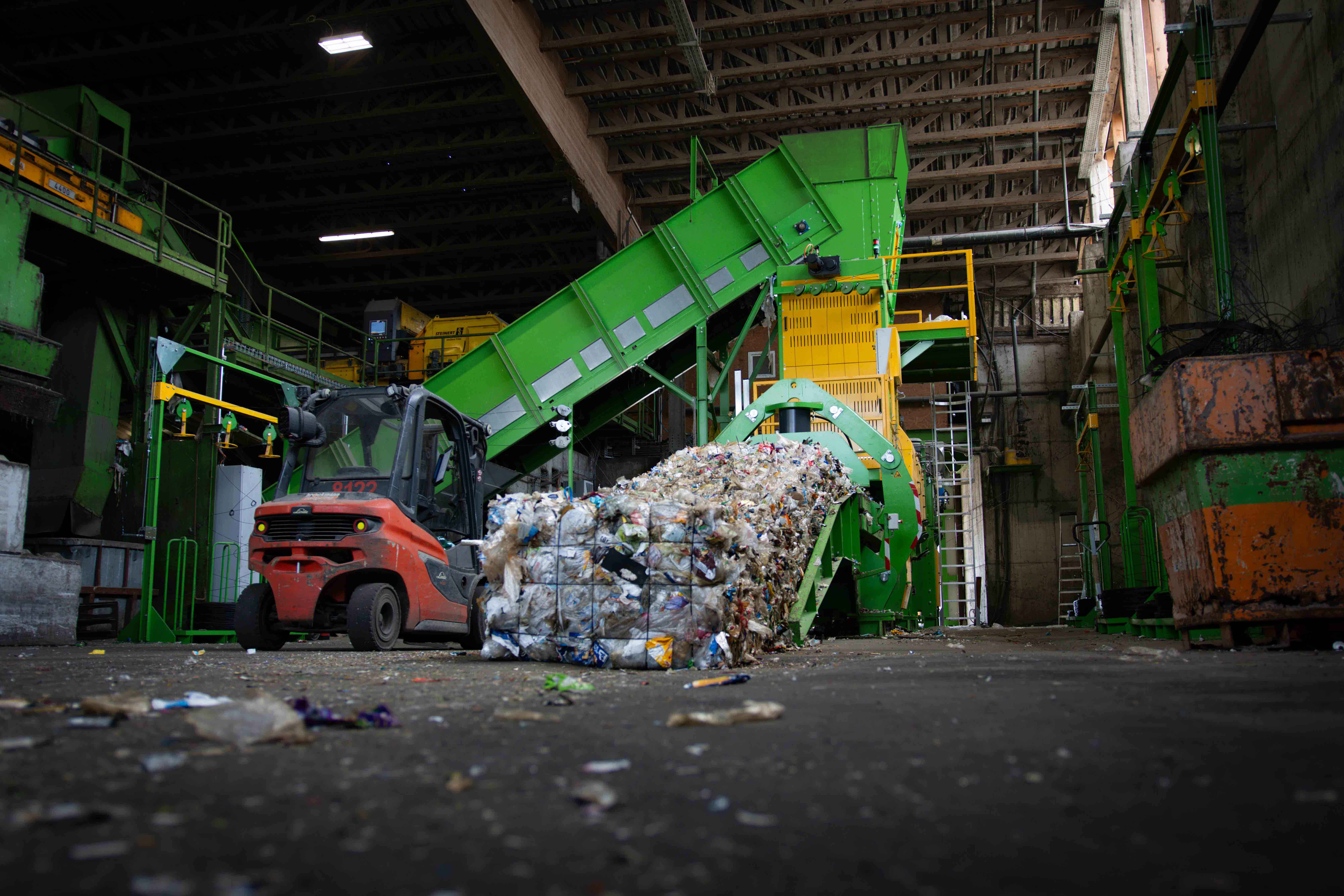
Bale Presses: Heavy, Stackable Bales for Any Recycling Process
BOA develops robust balers that efficiently compact waste, recycling, and material streams into heavy, well-formed, and stackable bales.
- Valve balers or cutting balers, tailored to your material
- Suitable for a wide range of recycling processes
- Robust design for efficient compaction
Which baler is right for your process?
Do you want to process waste with a baler? Depending on your material, capacity, and application, you can choose between a valve baler and a cutting baler. Both balers compress your material into heavy bales, but they differ in how the material is processed.
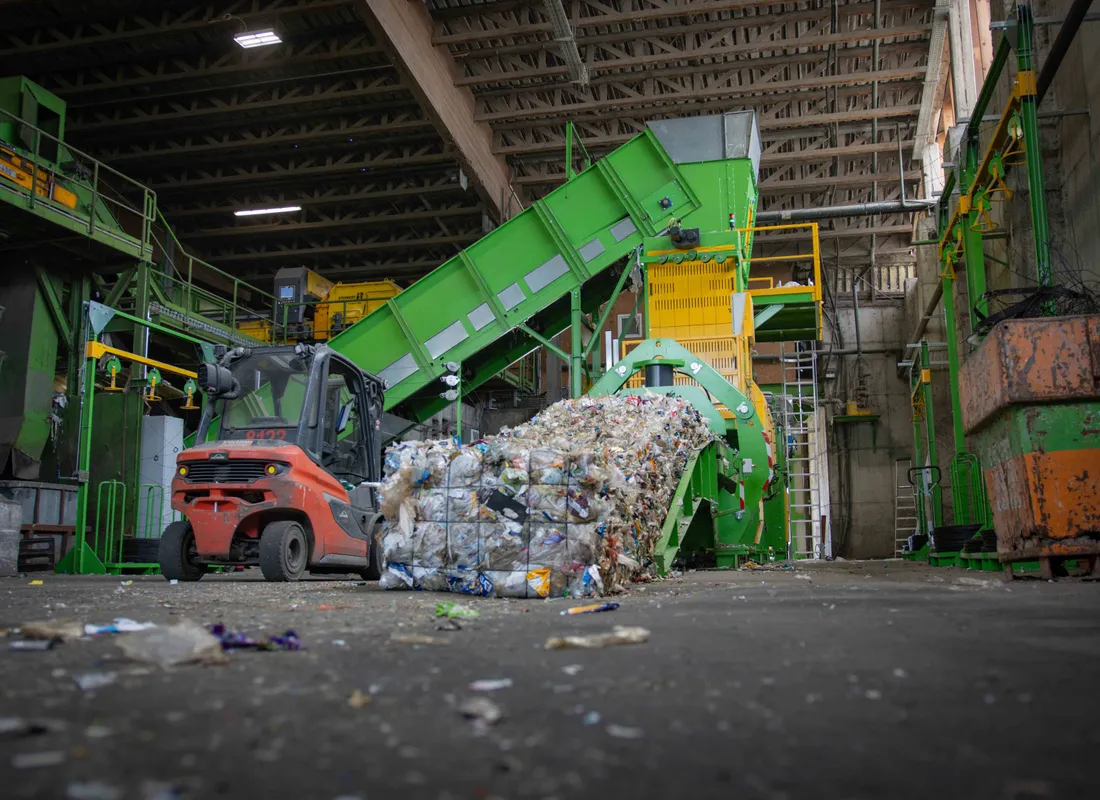

Valve Baler: Efficient for Difficult-to-Process Material Flows
With a valve baler, the material is pre-compacted before the actual baling cycle. This allows even bulky, long, or hard-to-compact materials to be processed efficiently. As a result, even difficult-to-handle waste is compressed into a compact bale in this baler.
Ideal if you’re looking for:
Pre-compaction with one or two pre-compaction flaps
Processing of materials that are difficult to compact
Heavy, well-formed, and stackable bales
Cutting Baler: Reliable Baling and Cutting in a Single Process
The cutting baler is an automatic baler that cuts through the material in the hopper and then compresses it. This makes it a versatile solution for materials such as paper, cardboard, plastic, and mixed material streams.
Ideal if you’re looking for:
A fully automatic baling process
Efficient processing of various material streams
Heavy and uniform bales
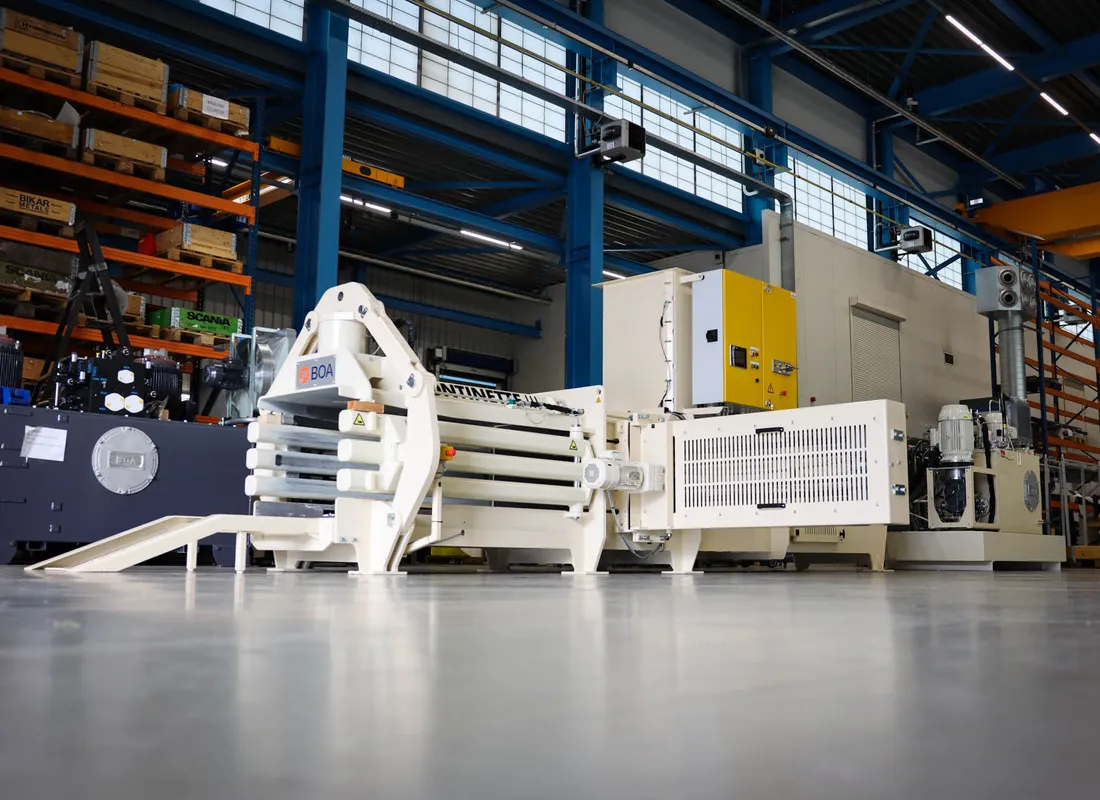
Valve press or shear press?
The choice depends mainly on the material you’re processing. If you’re working with bulky, long, or hard-to-compact materials, the pre-compaction provided by a flap baler ensures an efficient baling process. If you’re processing various lighter material streams, such as paper, cardboard, plastic, or mixed materials, and you’re looking for an automatic baler, a cutting baler is often the best choice. This way, you can process your waste with the right baler.
Frequently Asked Questions About Our Balers
What is the difference between a valve baler and a cutting baler?
A valve baler first pre-compresses the material using one or two pre-compression valves before the actual baling cycle begins. A cutting baler cuts off excess material during the baling process. The valve baler is versatile and suitable for virtually all materials, while the cutting baler is designed for a variety of slightly lighter material streams.
What materials can I process with a baler?
BOA balers are suitable for a wide range of waste and material streams, including paper, cardboard, plastic, and mixed materials. For bulky, long, or difficult-to-compact materials, the valve baler is the recommended choice.
What is the advantage of pre-compaction?
By pre-compressing the material before the baling cycle, even bulky or long materials can be efficiently compacted. This also applies to materials that are difficult to cut but can still be processed. The result is heavy, well-formed, and stackable bales.
Does a cutting baler operate fully automatically?
Yes. The cutting baler is designed for a fully automatic baling process, in which baling and cutting take place in a single operation.
How do I know which baler is best for me?
That depends on your material, desired capacity, and application. Contact us, and together we’ll determine which baler best fits your process.
Related Solutions
Discover how a baler can benefit your process
Are you looking to buy a baler? Every situation is different. That’s why finding the right solution starts with a clear understanding of your process, capacity, and future plans.
Contact us to discuss your needs and find out which baler best suits your material handling requirements.