
Do you have a question? We are here for you!
NL

PPWR Starting in 2026: What Does the New Packaging Legislation Mean for Recycling Companies?

Prepare Your Waste Management Today for Tomorrow’s Circular Economy Requirements

The European recycling sector is once again facing a major change. Starting August 12, 2026, the Packaging and Packaging Waste Regulation (PPWR) will take effect throughout the European Union. The regulation aims to reduce packaging waste, promote reuse, and improve recycling. Not all requirements will take effect immediately on that date, but the direction is clear: materials must become increasingly suitable for a circular economy. For waste processors and recycling companies, this means that the efficient processing of paper, cardboard, and plastic is becoming increasingly important.

Check out our solutions

From Packaging Waste to a Valuable Raw Material

In a circular economy, waste is not merely a byproduct. Paper, cardboard, and various plastics can be reused as raw materials, provided that waste streams are properly collected, sorted, and processed.

The PPWR reinforces this trend. One of the goals of European regulations is to ensure that packaging on the European market becomes recyclable in an economically viable manner by 2030. Requirements are also being set, for example, regarding the use of recycled material in plastic packaging.

For recycling companies, this makes the quality and processability of material streams even more critical. An efficient recycling process helps reduce large volumes to uniform, easily manageable material streams that are suitable for storage, transport, and further processing.
alt

Efficient baling is becoming increasingly important

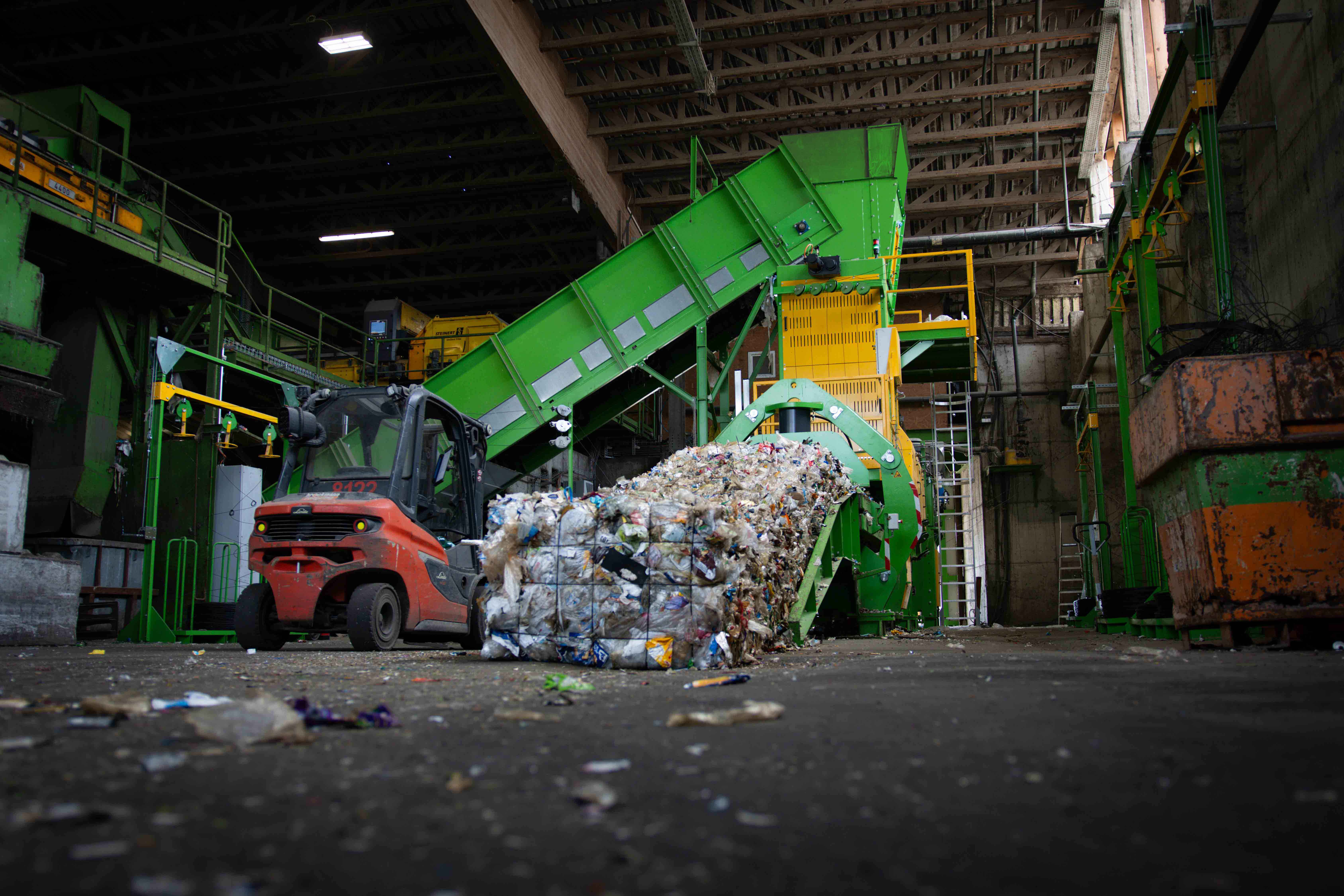
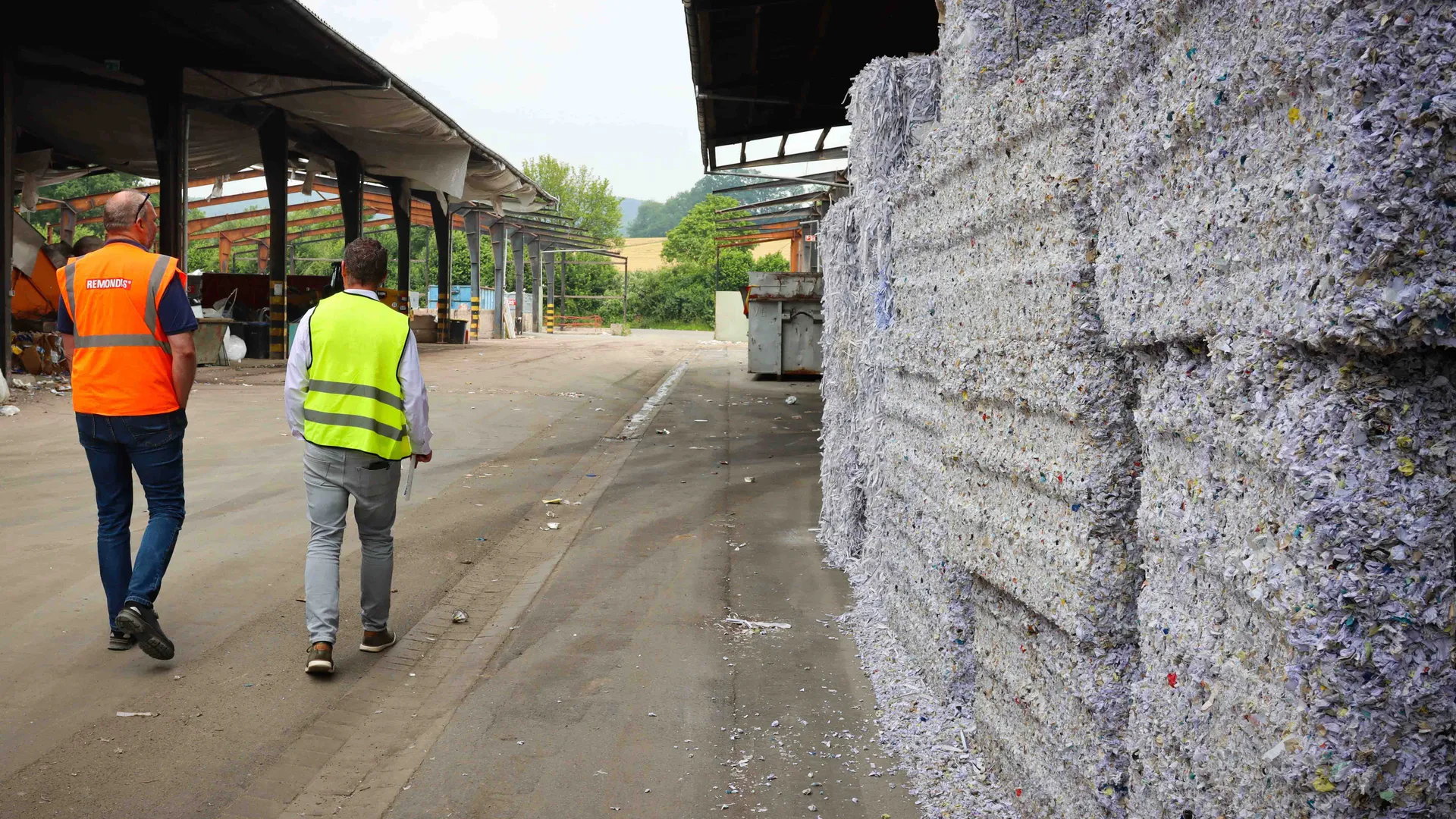
Greater focus on recycling also means greater attention to how materials are processed. Loose paper, cardboard, films, and other plastics take up a lot of space. By compressing these materials into compact and stable bales, storage space can be used more efficiently and the material can be transported more easily.

BOA develops recycling machines for materials such as paper, cardboard, plastic, rubber, and household waste. Different baling principles and machine configurations are available for various material streams. The M and D Series, for example, are designed to process a wide range of materials, including paper, cardboard, plastic film, PET, and mixed material streams.

Choosing the right baler is therefore not just about baling force. Material type, volume, desired capacity, logistics, and the layout of the entire recycling line all work together to determine which solution best fits a company’s operational process.

Check out our balers

Four Benefits of a Well-Organized Press Process

An efficient recycling plant can make a significant contribution to the overall performance of waste processing. In this regard, we look not only at the machine itself, but also at the baler’s role within the entire process.

  • More Efficient Storage
    Compact, stable bales take up significantly less space than loose material and are easier to stack.

  • Practical logistics
    Well-formed bales are easier to handle, store, and transport to the next stage in the recycling chain.

  • Continuity in the recycling process
    A machine that is suited to the material and the desired capacity helps ensure that material flows continue to be processed reliably.

  • Solutions for various waste streams
    BOA offers machines and solutions for materials such as paper and cardboard, plastic, rubber, and household waste, allowing the system to be tailored to the specific application.

Preparing for stricter recycling targets starts with the process

The PPWR demonstrates that circularity is increasingly being translated into concrete European regulations. For manufacturers, packaging companies, waste processors, and recyclers, this means that the entire supply chain will need to evolve further.

Technology plays a key role in this. Not only in sorting materials, but also in reliably processing, compacting, and preparing them for transport. Furthermore, a recycling facility must not only function well today but also be able to accommodate future volumes, changing material flows, and market demands.

BOA therefore takes a holistic approach to the entire application—from the characteristics of the waste stream and the required capacity to compaction, material transport, and service. Availability remains critical even after commissioning: BOA supports facilities with maintenance, spare parts, and technical service to ensure the continuity of the production process.

alt

Ready for the next step in waste management?

The transition to a more circular economy requires efficient, reliable, and forward-looking waste management. The PPWR is accelerating this development and making it increasingly important for companies to take a critical look at how packaging waste is processed. Would you like to know how your paper, cardboard, plastic, or other waste streams can be processed more efficiently? Please contact us. Our specialists will work with you to develop a recycling solution tailored to your materials, capacity, and business processes.